


The material of a cutting board can influence how easy it is to prepare food safely, clean the surface, and maintain good kitchen hygiene. Since cutting boards come into direct contact with raw meat, vegetables, fruits, and other foods, choosing the right material is an important part of a safe food preparation routine.
Cutting Boards for Kitchen are available in materials such as wood, plastic, bamboo, and composite surfaces. Each option has different characteristics when it comes to durability, cleaning, knife care, and moisture resistance. Understanding these differences can help you choose a cutting board that fits your cooking habits and cleaning routine.
Why Does Cutting Board Material Matter?
Cutting boards are frequently exposed to food residue, moisture, and knife marks. Over time, these factors can affect the condition of the surface. A board that is difficult to clean or has deep grooves may require more attention to maintain proper hygiene.
The material can affect:
- How easily the board can be cleaned
- How quickly it absorbs moisture
- How resistant it is to knife marks
- How long it lasts with regular use
- How much maintenance it requires
- How suitable it is for different types of food preparation
Choosing a board based on these factors can make everyday food preparation more convenient and hygienic.
Wood Cutting Boards Offer a Durable Preparation Surface
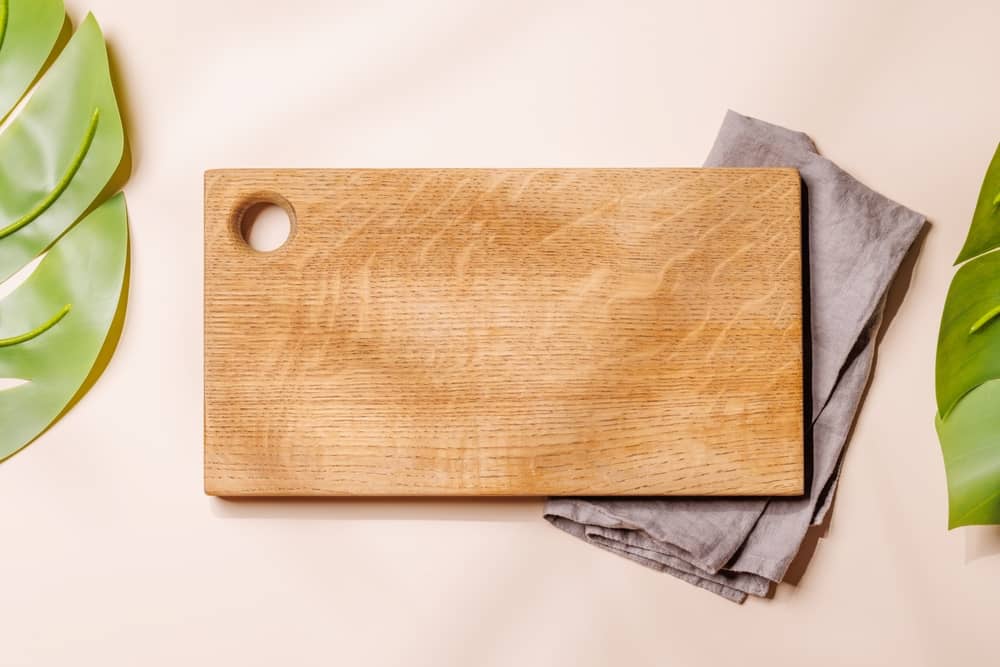
Wood is a popular choice because it provides a sturdy surface that is comfortable to cut on. Quality hardwood boards can also be durable when properly maintained.
However, wood requires appropriate care. Excessive moisture and improper cleaning can affect the board over time. It is generally important to clean the surface after use and allow it to dry thoroughly.
Wood boards are often appreciated for their appearance and durability, but they should be maintained consistently to keep the surface in good condition.
Plastic Cutting Boards Are Easy to Clean
Plastic cutting boards are commonly used because they are lightweight and relatively easy to clean. Many are also dishwasher-safe, although the manufacturer’s care instructions should always be followed.
Another advantage is that plastic boards are available in different colors, making it easier to designate separate boards for different food categories. For example, a household may use different boards for raw meat and produce to help reduce the risk of cross-contamination.
Over time, however, frequent cutting can create grooves and scratches. A heavily worn board may become more difficult to clean effectively and should be replaced when the surface is excessively damaged.
Bamboo Cutting Boards Provide a Hard Surface
Bamboo is another popular material for kitchen cutting boards. It is naturally hard and can provide a durable cutting surface for everyday food preparation.
Bamboo boards should still be cleaned and dried properly after each use. Prolonged exposure to water can affect the material, so soaking the board is generally not recommended unless the manufacturer’s instructions specifically allow it.
Regular maintenance can help preserve the board’s surface and extend its useful life.
Follow Proper Cutting Board Cleaning Practices
Regardless of the material, proper cleaning plays an important role in kitchen hygiene. Basic cutting board cleaning tips include washing the board after food preparation, using an appropriate cleaning method for the material, and allowing it to dry completely before storing it.
For better kitchen hygiene:
- Clean the board after every use to remove food particles and residue.
- Use hot, soapy water when appropriate and follow the manufacturer’s cleaning instructions.
- Dry the board thoroughly before putting it away.
- Avoid cross-contamination by using separate boards for raw animal products and ready-to-eat foods.
- Inspect the surface regularly for deep cuts, cracks, or excessive wear.
- Replace damaged boards when they can no longer be cleaned effectively.
Use Different Boards for Different Foods
Using separate cutting boards for different food categories can make kitchen food preparation safer and more organized. A board used for raw chicken or other raw meat should not automatically be used for foods that will be eaten without cooking.
Some households use a dedicated board for raw proteins and another for fruits, vegetables, bread, and other ready-to-eat foods. This simple habit can help reduce the possibility of transferring unwanted food residue between ingredients.
When Should You Replace a Cutting Board?
No cutting board lasts forever. Regular inspection is important, particularly if the surface has developed deep grooves, cracks, splits, or significant damage.
A board with extensive knife marks may be harder to clean thoroughly. Similarly, cracks can make maintenance more difficult and may indicate that it is time for replacement.
Instead of focusing only on how old a cutting board is, consider its actual condition and whether the surface can still be cleaned and maintained properly.
Choosing the Right Cutting Board for Your Kitchen
The best cutting board depends on how you cook, how frequently you prepare food, and how much maintenance you are willing to perform.
When comparing different Cutting Boards for Kitchen, consider the material, durability, cleaning requirements, size, weight, and intended food use. You may also find that having more than one type of board is useful for different kitchen tasks.
Final Thoughts
Cutting board material can affect durability, maintenance, cleaning, and everyday food preparation. Whether you choose wood, plastic, bamboo, or another suitable material, proper care remains essential for maintaining a clean and functional kitchen surface.
By choosing the right board for each task, cleaning it properly, inspecting it regularly, and replacing heavily damaged surfaces, you can create a safer and more hygienic food preparation routine.