

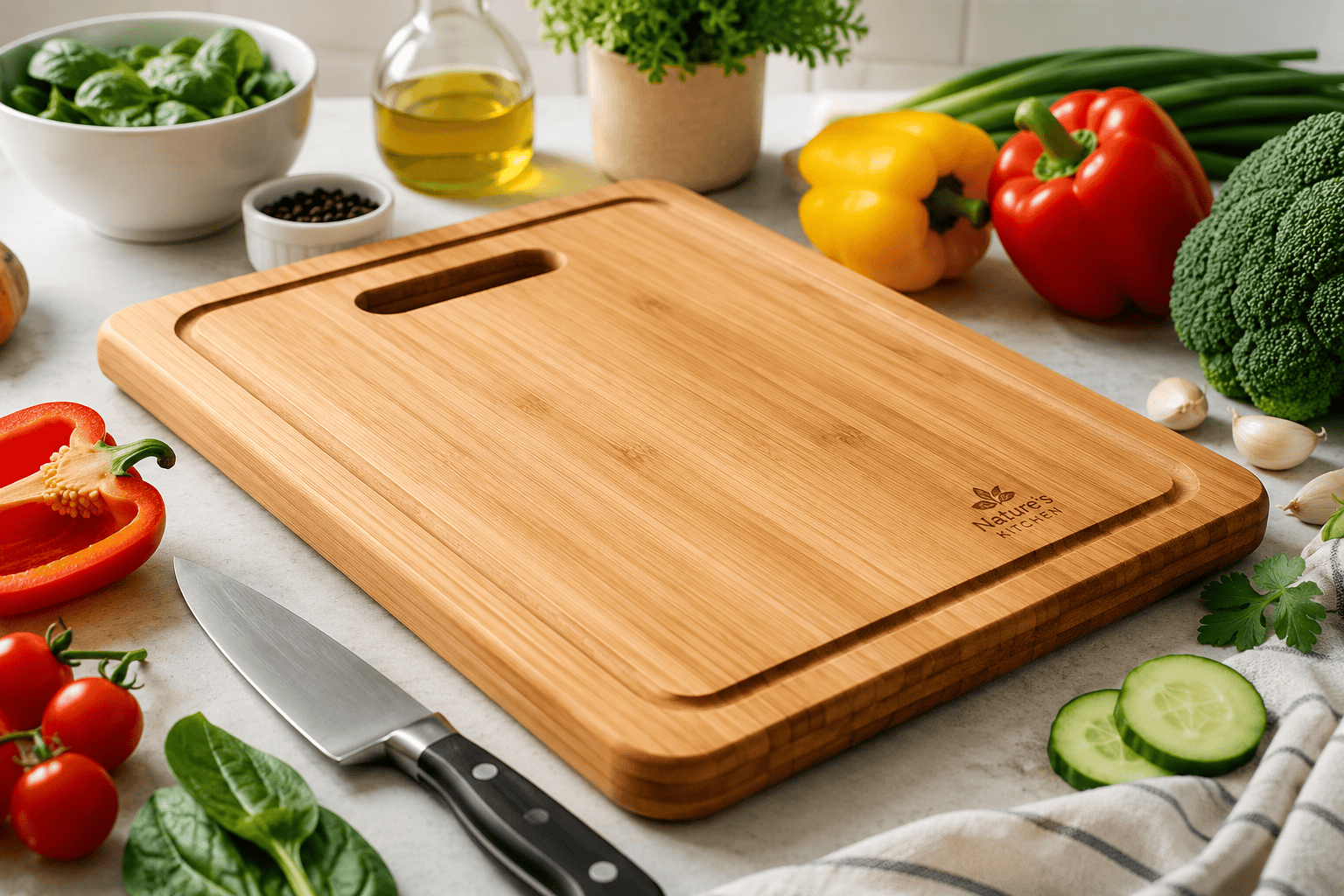

A clean cutting board is one of the most important tools for maintaining food safety in your kitchen. Whether you’re chopping vegetables, slicing fruit, or preparing raw meat, proper cleaning and maintenance help reduce the risk of cross-contamination and extend the life of your board. Different cutting board materials require slightly different care, but regular cleaning and good hygiene practices benefit every kitchen.
Quality Cutting Boards for Kitchen use are designed to provide durability and a reliable food preparation surface. Keeping them clean ensures safer meal preparation while preserving their appearance and performance.
Wash Your Cutting Board After Every Use
Cleaning immediately after food preparation helps remove food particles and bacteria.
Follow these steps:
- Wash with warm water and mild dish soap
- Scrub both sides thoroughly
- Rinse completely
- Dry with a clean towel
- Allow it to air dry upright
Never leave food residue on the board for extended periods.
Use Separate Boards for Different Foods
Using dedicated cutting boards helps reduce cross-contamination.
Consider separate boards for:
- Raw meat
- Poultry
- Seafood
- Fruits
- Vegetables
- Bread and cooked foods
Color-coded boards can make organization even easier.
Choose Quality Home & Kitchen Products USA
Selecting dependable Home & Kitchen Products in the USA helps improve both food safety and everyday convenience. High-quality cutting boards are designed to resist excessive wear, provide stable cutting surfaces, and withstand regular cleaning. Investing in durable kitchen essentials supports better hygiene while making food preparation more efficient.
Well-made kitchen products often last longer with proper care.
Sanitize Regularly
Routine sanitizing helps eliminate bacteria that normal washing may leave behind.
You can sanitize by:
- Using a food-safe sanitizer
- Applying diluted white vinegar
- Using a diluted bleach solution (following safety guidelines)
- Rinsing thoroughly afterward
Always allow the board to dry completely before storing.
Avoid Excess Moisture
Moisture can damage many cutting boards over time.
To protect your board:
- Dry it immediately after washing
- Avoid soaking it in water
- Store in a dry area
- Keep it upright for airflow
Proper drying helps prevent odors and prolongs the board’s lifespan.
Replace Worn or Deeply Grooved Boards
Deep knife grooves can trap food particles and bacteria.
Inspect your cutting board regularly for:
- Deep cuts
- Cracks
- Warping
- Loose surfaces
Replacing heavily worn boards helps maintain food safety.
Daily Care vs. Poor Maintenance
| Proper Care | Poor Maintenance |
| Clean after every use | Food residue remains |
| Dry thoroughly | Excess moisture buildup |
| Sanitize regularly | Increased bacterial growth |
| Use separate boards | Greater cross-contamination risk |
| Replace damaged boards | Unsafe food preparation surface |
Conclusion
Keeping your cutting board clean is essential for safe and hygienic food preparation. Washing after every use, sanitizing regularly, avoiding excess moisture, and replacing damaged boards all help reduce contamination risks while extending the life of your kitchen tools. Investing in quality Cutting Boards for Kitchen use and other reliable Home & Kitchen Products helps create a cleaner, safer, and more efficient cooking environment for every meal.
Looking for durable, easy-to-maintain cutting boards? Explore our premium collection of kitchen essentials designed for everyday cooking and long-lasting performance.
Frequently Asked Questions
How often should I clean my cutting board?
Wash your cutting board immediately after every use and sanitize it regularly, especially after preparing raw meat or seafood.
Can one cutting board be used for everything?
It’s safer to use separate cutting boards for raw meats and ready-to-eat foods to reduce the risk of cross-contamination.
How do I know when to replace my cutting board?
Replace your cutting board if it develops deep grooves, cracks, warping, or damage that cannot be properly cleaned.
Should cutting boards be completely dry before storage?
Yes. Drying the board thoroughly helps prevent moisture buildup, odors, and damage.